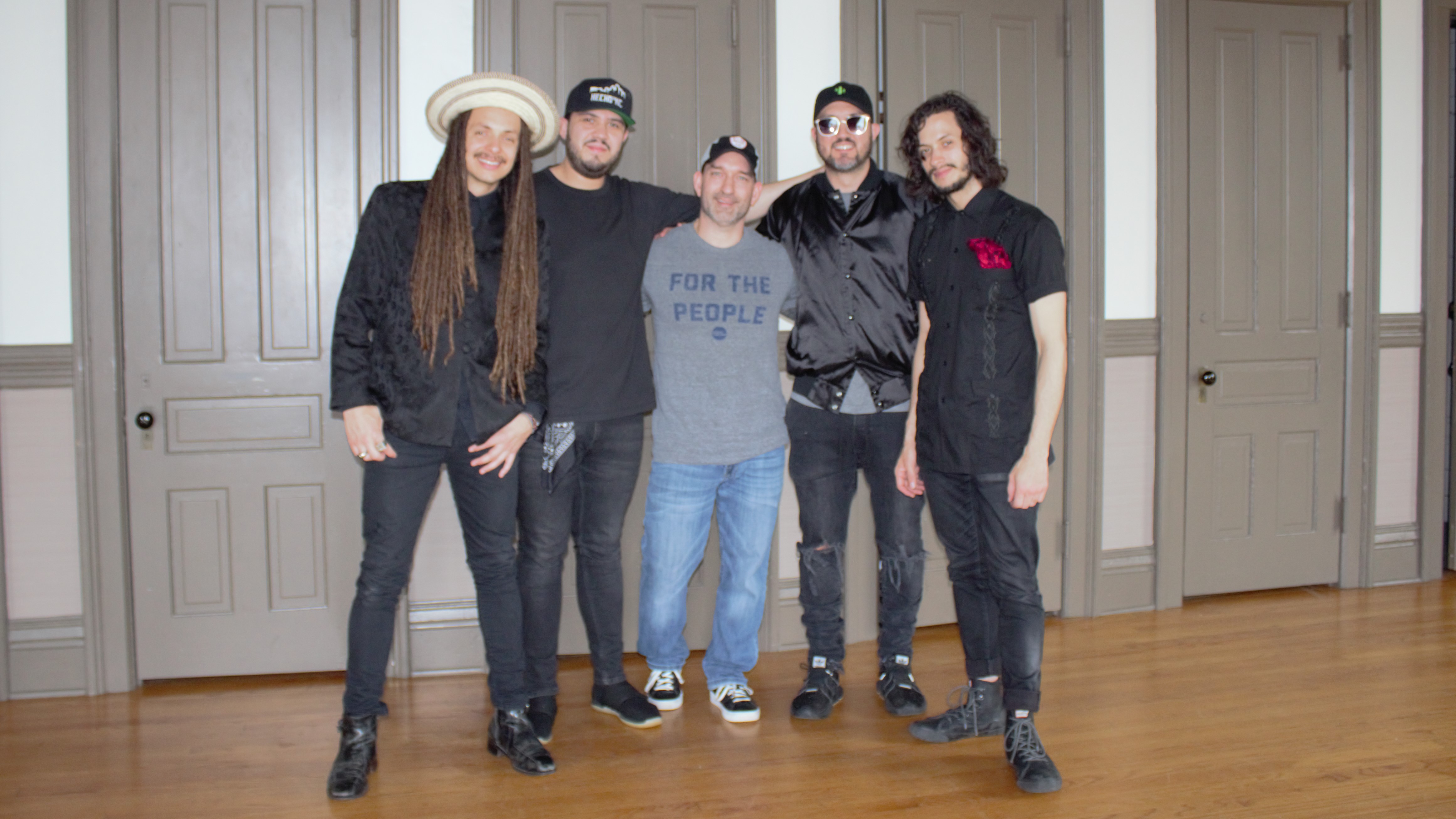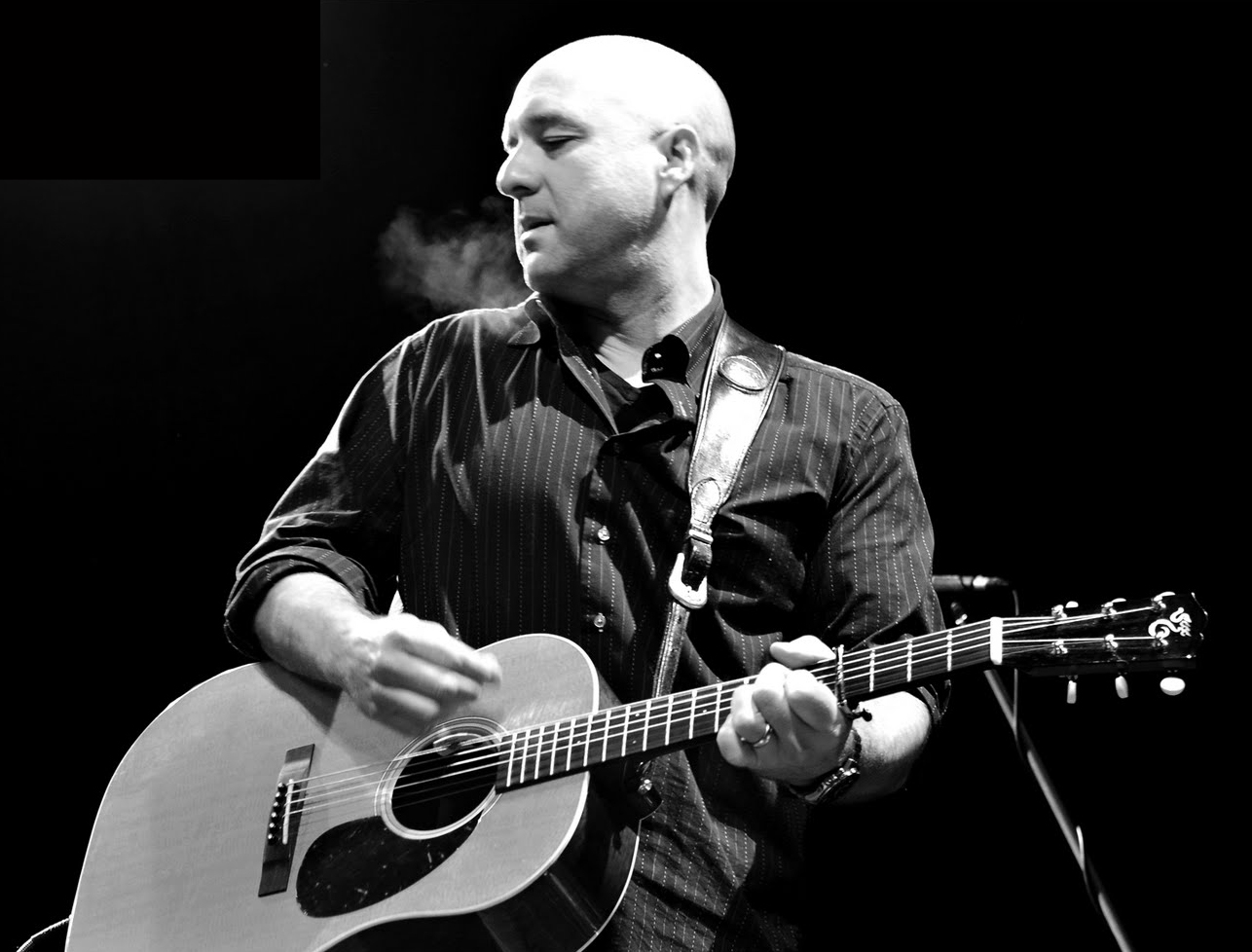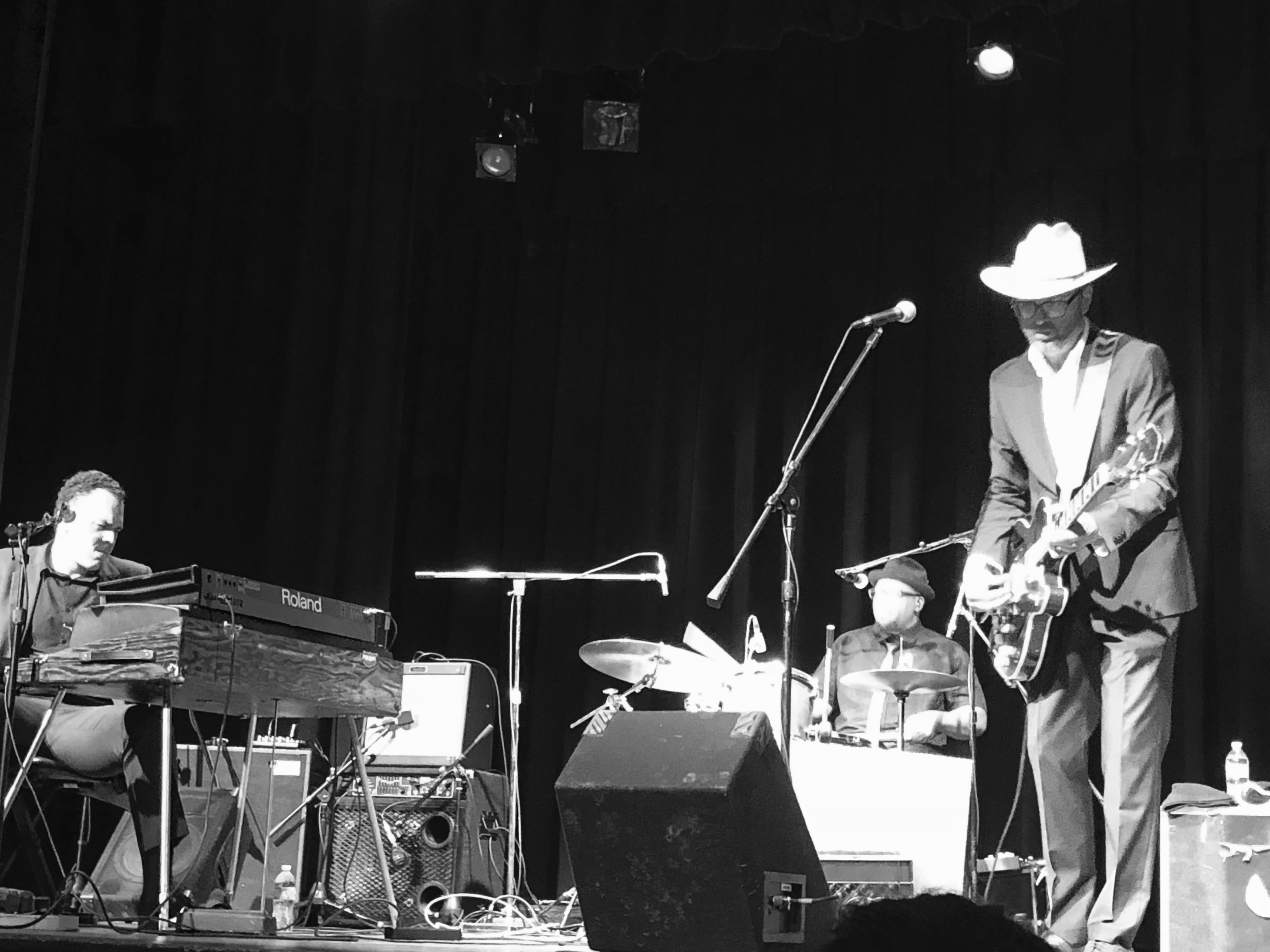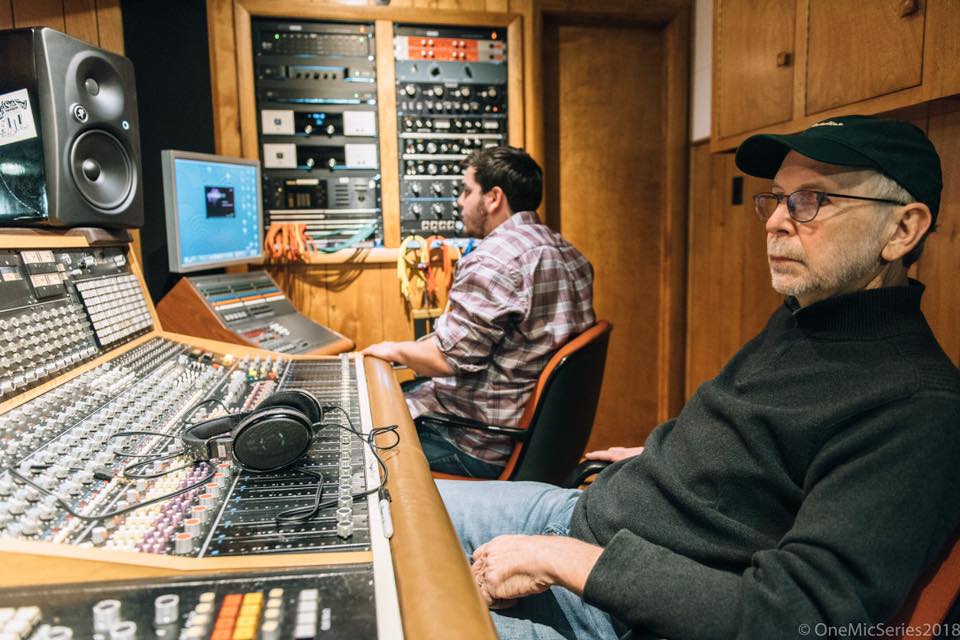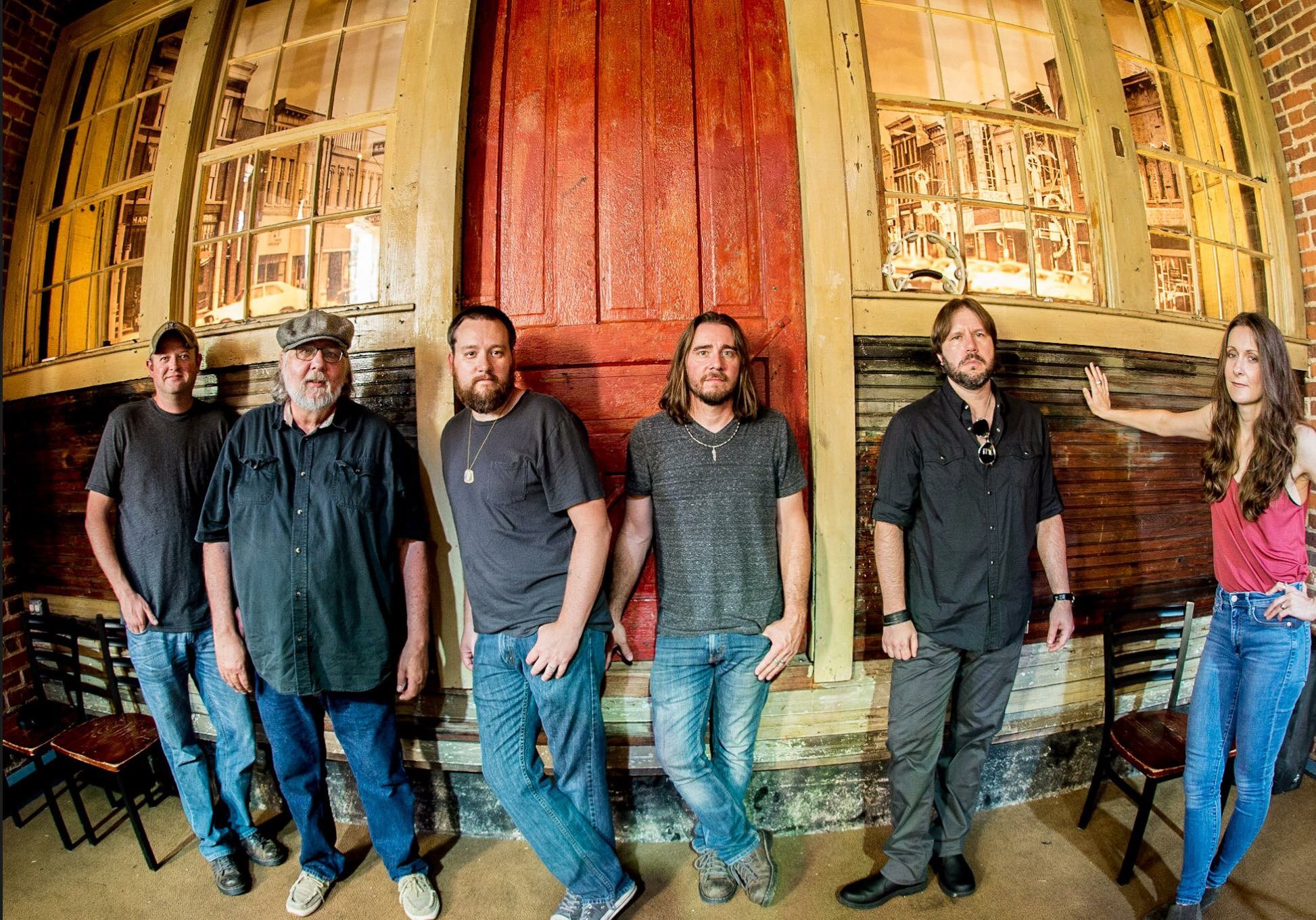
A few years ago I was in a store when the, generally droning, overhead music stopped me in my tracks and caused me to grab my phone in an attempt to capture the music I heard and track down the artist. It was beautiful, but raw, and the lyrics grabbed my attention and wouldn’t let go. The song was “Anywhere” from Todd Thibaud’s album Little Mystery, and it was a game changer for me.
The opening verse is “I feel like I’m an acrobat, I work the wire act and I walk it nice and tall. I wave down to the friendly crowd they’re screaming nice and loud I think they’re hoping for a fall.” It was so poignant and interesting that I had to find a quiet spot in the store to hear the rest of the lyrics. The last verse continues the narrative , “Somewhere between suicide and total bliss I called for providence and I asked her for a ride. She found me on the interstate with a final twist of fate I watched her drive right by”
Those lyrics and Todd’s music had been on constant rotation in my playlist since that day and I recently decided to go to his website and grab some more. As luck would have it, I received back an email directly from Todd and I thought I’d take my shot and ask for some of his time to discuss his music and career. He’s as gracious a person as he is a great songwriter and we spent some time on the phone discussing his beginnings as a musician, his career, and what he’s working on now.
Photo by Lisa Shaffer
JG: What got you started down the musician road and who were your influences?
TT: I tried to start young, I was kind of obsessed with music even as a little kid. The story goes that my kindergarten teacher told my mom I was going to be a musician someday. I don’t know what I was doing..I think i was just singing a lot, kind of like just obsessed with music and learning songs off the radio, just memorizing the words and that lead me to really want to play guitar.
I think when I was 8 years old my parents got me an acoustic guitar and put me in a group lesson and I just hated it…I just want to make that cool sound and I can’t make it yet. I tried playing drums at one point and when I was around 12 or 13, I had 2 good buddies that were into guitar, and both had nice guitars, and I coaxed my parents into getting me another guitar and trying it again. It was like a Martin knock off, I still have it..it was like an OM style and a pretty nice guitar made by this Japanese company. I just grabbed that guitar and annoyed my 2 friends to teach me guitar and kind of went from there. Once I learned a bunch of chords I realized that I could learn some of the songs I loved, that was the major motivating factor to learn the music I was hearing, pretty satisfying when you can work out part of it or all of it.
I grew up in the 70’s and by that time I was listening to everything on the radio. My mom was a music lover and had a box of’s 45’s from the 50’s and early 60’s that she gave to me, which I still have, and there was all this great music in it you know. The Beatles singles, The Rolling stones, Little Richard, Johnny Cash, you know just all kinds of great 45’s and I just kind of devoured all that music. And I think to this day that it gave me my foundation for sort of my obsession for song writing and structure and all that, those songs were just so awesome and perfect.
During my formative years I was listening to everyone from Black Sabbath, to Bob Dylan, to Aerosmith. I listened to a lot of variety across the board, southern rock was big so Lynyrd Skynyrd, Marshal Tucker, and then even I really liked the singer songwriter people I liked James Taylor and I really liked what Gordon Lightfoot was doing. So it was all over the place but definitely a fan of the harder genre, it was great as a young guy.”
JG: Were The Courage Brothers the first major band?
TT: I guess leading up to The Courage Brothers, I had an assortment of groups that I played, some solo and some with bands, and were mainly a combination of doing cover material and originals and mixing it up to see what works. The Courage Brothers was really the first thing that had some legs to it and got labels interested and we got on the radio. We were able to tour for a number of years and make it over to Ireland and the UK. That’s what really kicked things of for me professionally.
JG: After 2 albums with The Courage Brothers, “Something Strong” and “Wood”, what drove the decision to go out on your own?
TT: Yeah, in my experience there’s always a story. Interestingly The Courage Brothers were formed around me and an old musician friend of mine, it was really the two of us and we formed the band around this writing project. Jim Wooster was one of the 2 guys that I bugged about teaching me guitar back in Vermont, I’ve known Jim since I was 10 or 11… To answer your question you know, we had a pretty good run together but ultimately..from my perspective..I think the whole time I was in The Courage Brothers I think I was figure out who I was as a song writer, and what was really driving me.
For me that experience was almost like going to school…I think one of the things that a writer has to do is find your own voice and for me those 4-5 years with The Courage Brothers really lead me to where I felt comfortable and ultimately that’s where the problems began. Because I felt pulled in a certain direction and I think Jim felt pulled in a different direction and we tried to make it work but ultimately it just couldn’t survive it.
JG: What was the process like going into the studio doing what you want to do? Was it liberating or somewhat daunting because, now it’s all on you?
TT: It was absolutely both of those things Jeremy. It was certainly scary and you know, you can imagine a band breaking up and there’s bad feelings sometimes and Jimmy and I, thank goodness we reconciled everything and our friendship is intact now, but there was a while where things were really tough. You make a stand like that and go through that process and you come out of that and all the sudden you’re on your own and you go, OK, well, I better do something now I don’t what to look like an idiot.
There was a label that was interested in what we were doing in The Courage brothers and stay interested as I went solo, it was Relativity Records..they had built a new staff..and my A&R person, Susan Dodes, was great and was like, There’s another guy you should get to know and has been through a lot of this. His name is Kevin Salem and he was in a band called Dump Truck and has a bunch of great records of his own. Kevin kind of took me under his wing and he really helped me shape, gave me confidence in my songwriting and helped me shape what could be the next step what could be the next step.
That next step ended up throwing Todd into a weird situation where he wanted Kevin to produce but the label was pushing for a different direction and had scheduled the start date for January 96. Using Todd’s own lyrics, “a simple twist of fate” occurred and just after Christmas, Sony fired everybody at the label, leaving the artists up in the air and playing showcases to try and get another deal. Todd’s lawyer got him out of the deal, negotiated a release, and Todd ended up with enough money to, at Kevin’s insistence, make his record. Eventually it ended up on Doolittle records (now New West Records) and Favorite Waste of Time made the light of day in 1997.
Photo by Michael Wilson
Todd’s put out 10 more solo albums since Favorite Waste of Time, 2 Collaborations with Joseph Parsons, an album with Sean Staples, an album with Hardpan, and a beautiful collaboration with Kim Taylor on the album Water and Sand. He’s been continually playing regional shows around Boston and is currently finishing up the next album.
That new album, Hill West, should be out in April and there is an Indiegogo campaign going on for the next 33 days to help get it funded. It’s 85% of the way there, as of the publishing date of this article, and with just a few more backers, it will reach that goal long before the deadline. I asked if he could give a little hint on how this album was taking shape and what direction it was going.
TT: It’s going to be a much different record. The record I’m going to make is going to to be really stripped down and it’s just something I’ve never really done for my own material. I hate to call it a solo record, I mean like a really solo acoustic, I want to use the guys in a different way than I would preform the songs live.
As if this all wasn’t enough interesting stuff happening, March 29th, The Courage Brothers will be reuniting at The Burren Backroom in Summerville, Ma. As I wasn’t aware of their reunions when we spoke originally, I messaged him to see what he could tell me.
TT: This will be our third Courage Brothers reunion. I think it was our bass player, Mike Rivard who started the original conversation about six years ago and opened up the door. Since then we’ve done one every couple of years. It’s been great to revisit those songs, and play together as a band again after so many years.
In many ways, I think we’re actually a better band now than we were back in the day. Each member has continued with their own musical careers, so we’re coming back together at this point with a lot more experience under our belts. It’s also been great to see the fans again when we do these shows. It’s a nice feeling to know that the music we made together twenty five years ago still holds a special place with our fans, and it means a lot to us that they will still come out and show their support when we play these shows. Each reunion has been pretty special for me and the guys. I know we’re all looking forward to this next one.
Click the link to Anywhere and listen to Todd and Sean Staples preform the song that got me hooked on Todd’s music, or hit the links below for Todd’s main page, and the Indiegogo page to support the upcoming album . If you are out in the Boston area for one of Todds’s solo shows or can get out to The upcoming Courage Brothers show, it will be a great experience to take in. As I always say, great music must be supported if you want to keep hearing more and Todd’s music is something I gladly help support.
At the Ian Noe/Colter Wall show in October of 2018, I missed grabbing a photo with either of the 2 headliners as they walked the grounds of Codfish Hollow but, was lucky enough to stumble upon drummer Jordan Solly Levine, and Patrick Lyons who handled the lap steel and dobro that night. In hopes of getting these wonderful musicians a little more exposure, I submitted an event review for Ink19.com and started to follow the guys to see what they would be up to next. Interestingly enough it wouldn’t be long before I would come across Patrick’s name again, but this time in addition to a musician credit, he was also listed as a co-producer on a new album I picked up.
Photo by Jeremy Glazier at Codfish Hollow
Josh Morningstar’s 7 song EP, The Plea, was in and out of my radar and I grabbed a copy to check out the buzz. While pouring over the liner notes, as any good music enthusiast should, I found Patrick’s name and was immediately curious how he came to help out on the album. The lion pack at Young Mary Records label is a tight knit family, with everyone seemingly playing a number of rolls and helping each other out wherever they can make an impact.
I called Patrick, a Chicago native and recent transplant to Nashville, to see how he landed such a great gig with Colter Wall and how he ended up on the Josh Morningstar album. He explained that he landed the Colter Wall gig through his time playing with Cody Jinks, and mutual friends who had suggested that they needed to get together. Fortuitously they made a connection and the rest as they say is history.
Patrick says in a jovial manner “They didn’t even hold rehearsals they just like, in the beginning of April they asked if I wanted to practice. So we had a rehearsal on a Monday and then asked if I’d come back on Tuesday to rehearse again. And then Tuesday night they asked if I wanted to go out on the road Wednesday. So literally I meet them 2 days before we went out on the road for a month of tours.”
With not much time to learn all the songs I asked how he approaches that kind of situation. Patrick says “They had some live recordings but they didn’t have a pedal steel in the band ever. They had some (pedal steel) on some of the recordings so I just try to be as overly prepared as I could. He (Colter) wanted me to play pedal steel and dobro so I learned some of the steel parts how they were on the record and then he’s like, hey I want you to play dobro.” Patrick laughs, “It was cool, we hit it off right away and it was a pretty good set up, and were all pretty good friends now.”
Photo by Mark J Smith (Cropping the water mark was unintentional)
I moved on to Josh Morningstar’s album, “The Plea”, and his role in playing guitar, Mandolin, Pedal Steel, Dobro, Banjo, Bass and co producing the album. Since Josh had opened up a number of shows for Colter, I thought they may also have been friends before the album. I asked how he ended up being involved with Josh and being on the album.
“So Travis, the tour manager for Colter, he manages Josh. Travis had asked me, and I can’t remember if Mary or Travis or both of them had asked, if I want to help do it and sent me some of of his stuff and, I had heard of him and knew that he’d played with Colter but, I really didn’t know Josh that well.
So they were looking for some musicians and I got some good buddies in town…Geoff Henderson, I got him to play bass on it and my buddy Russ Garner… we had played a couple gigs together in Nashville…he’s a really good drummer. They kind of gave me liberties to get everyone on Joshes record, like my buddy Michael Hartigan plays fiddle and piano…so they kind of let me make a lot of decision on the personnel stuff on the record.
Josh came over to my house and we just rehearsed a couple times before we went in the studio just to kind of run the songs, he had some demos of them and he said just kind of do what you guys want with them. So yeah we just went over some stuff for a day or two at my place and went into the studio and recorded everything in like 2 days. We did it pretty quickly, and yeah it was cool because it came together really quickly.”
I mentioned that “Jerry Lee” is the song that got me hooked on Josh Morningstar before I bought the album and dug into it. Patrick laughs and says “Yeah I heard that one and said yeah, that’s one of the coolest tunes I’ve heard in a long time. Josh is a killer writer man he writes some really cool stuff and we were just trying to do our best to add some stuff to it.”
I asked if he had previous experience in the co-producer arena or how it worked out. “Well, they just wanted me to play pedal steel on it (Jerry Lee), originally, or dobro, or slide stuff, and then Travis asked if I’d play guitar on it and I’m like yeah. So, they had a drummer lined up and they weren’t sure if that was going to work out. So they didn’t come to me and say, hey can you do this, it just kind of added on over time.”
There is a really unique chord that sets off “Jerry Lee” and Patrick explains “I play that weird chord in the beginning and, it’s a baritone guitar, and a buddy of mine gave me that guitar and I’m like, I need to use it on something. We were going to do it at the beginning of the song and the ending and then we decided to just do it at the beginning and it’s just kind of a cool way to start the record.”
I wasn’t familiar with Barrick Recordings, the studio that’s listed on the album, and asked if it was all recorded in Glasgow, KY or where they put it together. Patrick says “It was a studio in Kentucky by this guy David Barrick, whose good friends with Mary (Sparr), and has a really cool studio, he’s a great engineer. He’s worked with everybody and really knowledgeable, he gets a lot of great sounds out of his studio, I had fun working with him.”
My December 28th conversation with Patrick took place between the tour I saw at the end of 2018 and the one that they just finished up in February 2019. He was on a break and really enjoying spending some time at home with his wife. I asked Patrick what else was coming up and besides the pending Colter Wall tour, and what other projects he had on the books.
Photo by Sean Mathis
“I’m supposed to go to New York to play dobro with a guy named Zephaniah Ohora. Have you heard of him? He’s a really great country singer out of New York. He’s friends with the drummer in the (Colter Wall) band, Solly, and he’s got a really good album out his first album, we listen to it a lot. We got introduced and then he came out to see us in NY and we got to talking and he asked me to play some stuff on it, and I’m gonna go out there and play a couple tracks with him.”
Career wise, I was curious if he would ever take the step and put out his own album. Patrick answers hesitantly “Uh yeah, I’ve got a bunch of songs I’ve written and ideas about different stuff and I wouldn’t mind doing it when I get some more time or money. It’s just expensive and I’m trying to work as much as I can and not spend a bunch of money on an album. It could possibly happen but, right now I’m just enjoying what I’m doing. I’m in a good band with a bunch of good people.”
Patrick, despite racking up a number of amazing accolades to his resume and being an amazing multi instrumentalist, is humble, down to earth, and a great guy to talk to. I really appreciate him taking the time to talk about his career and projects that he’s worked on. Follow his social media to see what he’s working on next and I look forward to catching up with him out on the road again soon.
(UPDATE: Since the time of this interview in late December 2018, Josh Morningstar, just today, announced that he signed with True Grit Talent Agency. I’m not sure how that effects his management and didn’t want any confusion based on various statements in the article)
I had the pleasure of interviewing acclaimed producer Michael Beinhorn to discuss his new pre-production services. It was an amazing phone call and listening to him breakdown, not only why it was necessary, but also why the industry is the way it it, was incredible. He’s been instrumental on a number of ground breaking and important albums and now is offering those services to artists on every level.
This slideshow requires JavaScript.
Here’s the first question where we discuss why it’s important. I could have made that about twice as long because of all the great info and detail but, it all came out well in the end and highlighted his vision on getting music ready for an album. You can read the rest over at ink19.
Q: What are you seeing in the recording process that prompted you to begin offering this service to artists and why is it needed?
A: One thing I started encountering was artists who, essentially, wrote their record, went into a studio, had a producer there, didn’t understand what the function of the producer was and just figured it was just gonna go a little something like this. Set up mic’s, record, edit everything, get done, mix, records out, and then tour. I was kind of stupefied the first time I started to experience this and I thought it must be some kind of crazy anomaly. Over time I began to encounter more and more artists who had no understanding of what an artist and a producer, not should be, but could be.
That there could be more to it than the producer, in the modern conception of the producer, as he’s the guy who essentially gets you sound. That’s not really a producer, that an engineer. A producer can have those skills you know… but what they offer is a discerning sense, an over riding kind of taste, and an ear for what works and what doesn’t work and also like a horse sense about it too that they can bring to the overall mix of the recording project.
And seeing that that kind of contribution has fallen by the way side, severely, and the modern conception of how a record is made is purely utility. That there is a sense of functionality about it and there’s nothing about, umm this doesn’t feel right. You get very little of that now.
I wish I was at a stage of needing to get an album put together because working with Mr. Beinhorn would be a dream come true. I guess I better get to work and start putting it all down on paper. Stay tuned for more great articles, interviews, and who knows…maybe an album!!!
When you listen to the Greyhounds, the cool thing about their sound is the variety of music they draw from when they write. Anthony Farrell’s keyboards bring the funky, R&B, and classic soul flavor, while Andrew Trube has a Texas guitar sound that reminds me of greats like the Vaughan brothers or Doug Sahm. No matter what influences you you hear in their music, you always get the straight forward truth and their distinct style from this amazing duo.
After their show in August at CSPS Hall in the Newbo district of Cedar Rapids,IA, I briefly talked with Anthony, Andrew, and drummer Ed Miles about the album and music. I followed that up a few weeks later with a phone call to the man on guitar, harmonica, vocals, and on occasion, a Melodica, Andrew Trube. He’s laid back, congenial, and like talking to an old friend.
I was curious how Andrew and Anthony meet. I saw the guys playing with JJ Grey, and was curious if that was when they got together?
“We meet in 1999 and I put an add out in LA weekly for a keyboard and he called me and played over the phone. I was his first call, a buddy of his told him you should try and play in a band. You know, he had been playing on the boardwalk, on the beach, and he wanted to join a group and I was the first add he saw and called me. We rehearsed and have been playing ever since.
“So then we meet JJ and Mofro and them years ago on tour and JJ called me and needed guys and called me and asked if we could jump on and that’s how we got in to that. We’d crash on his floor when we’d be in Florida and we’d play a bunch of shows, to nobody for a long time. Back before anyone knew who JJ grey and Mofro were, back when they were just Mofro.” he says as he laughs. “He hired us as a package because we always work together, generally, if somethings going to take us out of town for a little while.”
Andrew and Anthony have a real cool vibe together and I asked what kind of stuff were they playing in the early days before establishing the sound of The Greyhounds.
Photo By Jeremy Glazier
“A lot of it was, when we first started jamming you know, we were getting into The Meters, we were getting into a bunch of New Orleans stuff, a lot of soul groups. It’s all the same stuff were into now but we were doing primarily instrumental stuff. I sang on a couple of tunes and Farrell started singing one tune and I was like, man you need to sing more. You got a great voice. So we just started writing. You know doing instrumental stuff, we were really focusing more on songs and writing little cool melodies but starting out a lot of it was instrumental. Then we were like, ok we need to start singing.”
Did you guys record with JJ or just back him up on the live gigs?
“Oh no we did like 3 or 4 records with him and there’s a live DVD album that we did also. (Brighter Days Live DVD/CD)
During the Cedar Rapids show I took note that Andrew plays a number of old, unique instruments. 3 different Silvertones sat on stage but in the previously discussed DVD album, Brighter Day, he used a Les Paul and I was curious of his weapon of choice.
This slideshow requires JavaScript.
“That Silvertone is one I got in high school and it’s been my main guitar for years, that and another one that wasn’t on tour with us on that date. The Les Paul is what I used for Mofro because I needed a little more muscle and those Les Paul’s have more muscle and have a different sound and blended well with the group. And they are a lot easier to travel with than the hollow body.”
Since he mentioned the ease of travel I asked if those Silvertones are tough to maintain and keep going out on the road.
“Oh man, well the one I had (In Cedar Rapids) I gotta take it in after every 3-4 tours to get re situated, intonation goes out. All kinds of stuff happens, little tuning knobs fall off, whatever, just road wear. I got Pete here in town, he’s killer, that does all my repairs.”
I also noticed that he plays slide a bit differently that he takes an overhand approach versus putting a slide on his finger. I was curious if he just learned that way or if there was a practical reason.
Photo by Jeremy Glazier
“No you know, I’ve played slide slide like you put on your finger to do the deal and I had this slide, and I loved it, that ended up breaking, it was glass and I never found a replacement. So one day I was playing harmonica and realized I could use that like a slide bar, like a lap steel, overhanded and i kind of got into that. I play lap steel too, and it just worked out. So now I just use that and I don’t use a pick, just because i don’t like holding…you know, it’s the least among of stuff I can worry about having and dealing with the better. I need the harmonica so I just put double duty on it.”
Photo by Lani Vega
In researching the album, Cheyenne Valley Drive, for the review that I wrote over at ink19.com, and from talking to Ed Miles, touring and recording drummer, I discovered that they knocked out the album in 3-5 days.
“Yeah basically my buddy and engineer, Matt Ross-Sprang, hollered at me, he’d been bugging us for a while to come in and do stuff, and we set up a time and Farrell and I went through the catalog of stuff we’d hadn’t recorded that we’d written and thought would be apropos like or be would flow well with the aesthetic of the studio and the recording process of doing it all on tape, and doing it live.
“So, we took 13 or 14 tunes and whittled it down to 10 and did all the tracking on the first day. Then over dubed and got friends to set in like Art Edmaiston on sax, Will Sexton, Amy LaVere, and got all of our friends that were in Memphis that were around to come get in on the record. You know in some form or fashion weather stomping or clapping or playing an acoustic guitar part or whatever. And then we pulled those out and we meet up with Ed before we went to Memphis and rehearsed them with him and went in and knocked it out.”
This slideshow requires JavaScript.
I mentioned their cool sound and wanted to know how they got that unique mix of sounds.
“Yeah you talking about the writing process? Yeah basically we just build some drum beats or weird loops… and find a good grove and just start writing off that. Or, I’ll bring a tune in and have Farrell just kind of like, I’ll be like, I got this idea and we’ll just kind of hash it out.
“Now the sound comes from the fact that I grew up in East Texas and he grew up in LA and were both into soul were both into blues and into the same things so its just our interpretation of all those influences all coming together. That’s just what it is. But we don’t ever try to sound like anything we just try to be ourselves. People are smart and they eventually figure out if its bullshit and we try and not waste their time and be straight up with out music.”
Photo by Lani Vega
The Greyhounds are definitely not wasting anyone’s time and after reading this article, I encourage you to get out and see these guys live or pick up any of their albums. They re out on tour now and I’m hoping to catch a show at in Dubuque, IA the second full week of February.
That word, “conversation”, and it’s importance, came up a lot during my August 10th phone call with producer, recording engineer, and creator of the One Mic Series, Mr. John Cuniberti. How the unspoken conversation affects the performers, how that translates to a recording, and the process that John uses is as simplistic as a single microphone, but as complex as any multi-track recording technique. The musical conversation and where it leads truly is a wonder, once you grasp it’s significance.
Boo Ray
When I spoke to Nashville recording artist Boo Ray about his One Mic Series sessions, his descriptions of the recordings and respect for John Cuniberti’s work piqued my interest. With everyone using multiple microphones, Digital Audio Workspaces, and multi track recordings, I was completely in awe that he initially sets up the instruments with a tape measure and runs everything through a single stereo ribbon microphone, the AEA R88. There are no multi tracks, no retakes, and no dub overs. Just one mic, a room, and some seriously talented artists.
What follows is a master class in the art of recording and touches on a number of subjects that are as important as the music and the artist them selves. His understanding of the process and evolution of recording is what makes him so good at what he does.
First, I wanted Mr. Cuniberti’s explanation of how his process of recording may be similar to how the origins of recorded music were done decades ago with just one mic.
“Originally when recordings were first being made, yeah in fact, it was usually just 1 microphone and the performers would stand around the mic and get a balance in the room. You know before the art of recording people were playing live performances and there was no world of audio recording, just the world of live performances. Performers were accustomed to and skilled at balancing them selves in a room performing and singing. Instruments were developed and designed just for that purpose…even when you get into the 30’s and big bands started performing together with horns and drums, you know one of the problems were that the acoustic guitars weren’t loud enough.
“The fact that what happened was that when the art of recording began, they took that same scenario, they put up one mic the band would set up with the balances they normally would and would be recorded direct to some kind of recording device, vinyl or some kind of acetate. But, when we got into multi track recording more mics would be used and we got into that world of 2 tracks, then 4 tracks, then 8 tracks, and what are we up to now?
“So the idea that a band would come into the studio and balance them selves in a room. Not unlike at a rehearsal or a night club, that whole way of recording ended with multi track recording. I mean a band would walk in they throw mics on every thing, they would often times, and still do, isolate everyone, so they can have control over all the elements of the recording.
Shook Twins
“And what happened was that we gave something up, and what we gave up was the conversation that the musicians have among them selves in the room when they are listening to each other and responding to each other.
“When you get into the art of recording, were making records, and that’s a very different occupation and result than a live performance…you can do both, but there is a safety net that is in place that if an individual in the band spoils a section or misses a beat it can be repaired right there on the spot. We can do that with analog recordings, multi track analog, you can punch in a section… this has been going on for a long time. The digital age has just sort of made it easier. Not only to get a lot of tracks recorded simultaneously but also gave us all the tools to repair and fix pretty much anything, but it came with a compromise.
“The compromise is that now you have bands that it may be their first recording, they may have very little recording experience, they come into a room and immediately the engineers are isolating everything and putting microphones on everything and assuring the band if they make mistakes or they cant get through it, we can fix it later. So It produces a psychological effect in the room where, are people really at their best, are people really bringing their a game, are people really well rehearsed before they show up to the studio? I would argue that in many cases, they are not.
“They are so accustomed to having their mediocre performances repaired that, or handed over to someone else to make them sound like they are competent. it’s just become an entire way of making records. There’s a whole generation of people that are in studios that have never been in a room with their band mates trying to balance them selves and listen to each other in this conversation. And I use this word conversation because if you have 2 people talking to each other, if both people are talking and no one is listening its not going to be a very good conversation. when people willing to listen and react, then you have a creative result.
This slideshow requires JavaScript.
“If you’re a guitar player and going in on Saturday to do all your guitar parts on a previously recorded track no one on that track will be hearing you and reacting to it. It’s your job now to listen to everybody else and react to them. And that produces a very different result than a band in a room balancing them selves and being forced to listen to each other and react to each other.
“The one mic process that I’m developing, in the modern world, is a way to get back to the thing that we gave up. That’s a very long and convoluted answer to your question so I apologize.”
I laugh off the notion that the mind blowing knowledge he just dropped was in any way convoluted and mention how refreshing it was to hear him explain what it was about that kind of music that I liked. Live albums like The Allman Brothets At Filmore East or B.B. Kings Live at the Regal just feel like they are jumping out of the speakers because of that conversation between the artists and are, in my opinion, prime examples of John’s philosophy.
Getting into the nuts and bolts of his process I ask about mastering once the track is recorder and the complete set up of what we see on Nathaniel Kohfield’s beautiful 4k video’s, which John will also expand on shortly.
“I’m using one stereo ribbon mucrophone, AEA R88 and that goes to the microphone preamplifier…a melinia hv3c…and is captures on high resolution digital..(Nathaniel Kohfields’s amazing cinematography). Now that recording is a stereo mix of the event in the room, that stereo recording is not unlike any stereo mix that one would end up with in a multi-track stereo mix down recording, it is subject to mastering just like you would any stereo mix.”
When I mention the measuring tape set up that Boo Ray had mentioned, John expands on the process. “The reason why I use a measuring tape is for panning mostly because the panning has to be done, if I want a guitar on the right and on the left, they have to be equal distances from the microphone, and that’s assuming they are set up at the exact same volume. You know if I want them both those guitars at the same level, on a mixer I just move the faders up and down…if i want them to sound the same or similar, then I would go out and adjust the amplifier to get that sound, I can’t do it any other way I can’t do it in post production. So I have come up with a formula of where guitar amplifiers, and drums, and bass and vocals need to be around this one microphone so I start off the sessions laying it out with a tape measure but ultimately I have to adjust the volumes of everything.”
George Cole Trio
“The rooms that these recordings that this has been done in play a huge roll in the effect, you know in a multi track environment the microphones are put pretty damn close to the amplifiers and the singers and the drums. So you’re eliminating the effect of the room in the recording, depending on the room you will have some effect but it’s very minimal. and that comes back to the 70 style recording… you just close mic everything and add delays and reverb later to try and make it sound like their all in the same room again. In my scenario I don’t get to or have to do that because the sound of the room is playing such a huge roll in in.
“A real dead room, that is absorbing a lot of high frequencies is not particularly friendly to an acoustic guitar that is 5-6 feet away. A room that’s really uneven in the sense that one room is really bassy and the other part is really bright and noisy, that is not going to give you a balances drum sound when the mic is 8′ away. So I learned early on in developing this process that the rooms I do this in are critical and will determine if how successful or successful at all is the recording. There are huge compromises. that I’m making in order to get the conversation, to record this band in one take with everyone at their best because they don’t get to fix everything.”
I ask if the famous rooms are better or more difficult for his process versus new studios.
The Dozens
“Yes and no. At muscle shoals, it’s a very dead late 60’s-70’s sounding room. In other words it was designed to kill all ambience, essentially, close mic everything, and then add reverb and delay later to make it sound like everyone is in the same room. I mean yes, some of the overhead mics like the drums are picking up some of the ambience of the drum booth, but that’s not what those records were about. They were about the individual performers, the style of music, and the incredible singing and song writing that was being done in those rooms. The room was basically, it allowed them to have complete control with the recordings after the fact. For me it was fairly straight forward because the room didn’t produce any nasty effects I couldn’t fix.
Eskimo Brothers
“Now sun studios in Memphis was the complete opposite of that, that room is very live, it has a tile floor, it has acoustic tile that is less than 1/8” thick on the walls and is a very live room. So the recordings that I did at Sun sound completely different than the ones I did at Muscle Shoals. Now, I was ok with that because the records that came out of Sun studio were recorded with 1, 2, 3, maybe 4 microphones at the most and most of them were ribbon microphones that are bi directional and really flooded those microphones with the sound of the room and the musicians in that room. I knew that going in and I was ok with that because I really wanted the sound of the room…that’s why I chose acts that I thought could preform in those rooms that would be, that would work.
“There are certain genres of music I wouldn’t want that over abundance of ambience in the recording. With a band like Boo Ray , which has an old school retro sound, and certainly with the Eskimo Brothers that are rockabilly band, or Cedric Burnside that plays an acoustic guitar and sings the blues.
“You know that was where muddy waters made some of his historic records, just like that. They did it with a ribbon microphone mono to a tape recorder. I did it with a stereo ribbon microphone and recorded it to digital, I did a modern recording but I used the same approach.”
Since he brought up the performers, I asked how he decided on the artists that he chose.
Jackie Greene
“Well the criteria that I used is I’m looking for incredible songwriters and singers. They have to be able to delivery a really wonderful timeless song to me so songwriting is probably #1. You know I’m a child of the 60’s and grew up listening to the greatest singers and songwriters of our time, so I’m very strict about that criteria. They have to be able to preform live, everyone that I considered or vetted I had to see some kind of live video of them on stage preforming. I needed to know that they could get through an entire song well, and needed to see what they are like on camera. How people come off and how they look is important in a video medium.
“The one mic recording are 50% the audio and the other 50% is video and they go hand in hand, I’ve never separated the two. I know a lot of people like to listen to the audio…but I’ve always thought of it as bringing people into a room to witness this performance, this intimate performance of these artists in this room together having this conversation. That’s why I wanted one camera, because I want the perspective of one person in the room walking around a little bit during the performance having this conversation in the room. I didn’t want a multi camera, quick edit fancy Hollywood style production because it takes you away from that.
“Because I’ve grown up for the last 40 years in recording studios I’ve had the humbling privilege of being in the room while these beautiful pieces of art are created and its’ a very intimate and special experience that only producers and recording engineers get. I wanted to bring people into the studio and actually witness what I witness over and over again. There’s been so many times I made recordings where I said I wish I could have video taped that because it’s magic and I wanted to share that with the world.
“When I would go and ask established recording artists, who are on record labels, if they want to do this, they were frightened off by the process. They are used to having this control over everything after the fact, turning it over to their producers and mastering engineer and mix engineers and you know indulging in minutia for 6 months before they release the record. So most of these weren’t interested.
“It was the young kids that had nothing to lose who believe in them selves who have maybe have made multi-track digital recordings and after 6 months couldn’t recognize them and hated them and don’t want to listen to them any more because the essence that got them in the room with these other people to make this music had been taken away from them. They go in the studio and it gets recorded on multi-track and some engineer comes in and manipulated the crap out of it and produces their own vision of what this band is supposed to sound like and basically stealing the essence of who the artist is in the process. It’s heart breaking and it’s frustrating for the artist.
Boo Ray
“So when I go to them and go you get to control everything you get to balance yourself, we get to actually see and hear what it is that you do and why you do it. And that’s an incredible gift to give them, but You know it all sounds great on paper and, In my mind it’s a gift a beautiful gift to give to somebody but the fact is that it doesn’t matter what I think, if I make those recording and the artist hate them and I just think they are really cool then it’s at the end of the day for not. he fact is that every artist that I’ve done this with has come back to me and told me that they loved the results. and that is what has kept me doing this and trying to refine the process.”
Photo by Jeremy GlazierI mentioned that on a recent trip to Chicago, I had stopped off at the famous Chess Records and spoke with Jacqueline Dixon, Willie Dixon’s daughter, who now runs the Blues Heaven Foundation. She’s working to re equip the studio and make it functional again. I wanted to know if John had other locations mapped out to continue with the One Mic Series.
“Oh certainly there are the iconic studios, and there are a handful of them in Los Angeles, there is of course Abby road, there is Avatar in NY, there are a whole list of recording studios I would like to do this in partly, because it really does showcase the room doesn’t it? I mean, you’re really going to hear the room and the videos show the room. So I’m killing a couple of birds with one stone.
“I mean in a way a lot of people might want to watch the videos because they get to go into these rooms and see these rooms in action. There a lot of videos that are pouring out of Abbey road we’ve seen them all, and they all highly produced they are all multi camera, but you never really get the feel in the sense of what it was like when the Beatles were recording.
“They have all the production value you know theater lighting and fancy camera work going on but trust me you’ve seen the pictures of The Beatles in those rooms and it looks like a warehouse space, there’s just shit everywhere and that’s what it’s like when you’re making these records. So they go into these rooms and they turn them into theaters and I’ve always kind of thought that was weird.”
I mention the camera work that he employs in his videos and how that worked out with his recording. It was extremely well done and as a musician my self, the videographer always seemed in the right spot and capturing what I look for when I watch a performance such as this.
“Well that’s another thing that was very difficult to accomplish because, the videographer, the cinematographer has to have skill at lighting, camera work, and has to be a musician. He has to be at the right place during the arrangements of the songs, I mean he has to be able to move with the music, and quite honestly is was difficult to find somebody who really new how to operate a camera on a steady cam. light a room. and have intimate knowledge of the music. So Nathaniel Kohfield who is the cinematographer in all my videos is skilled in all three things and that is a very, very, very unique qualification.”
As we moved on to the finished product as a whole and I humbly and respectfully petitioned/requested/planted a seed about the series being put on Vinyl or some kind of Vinyl/Blue Ray package. Would John be interested in working with a company and put this out in a physical format?
“If a record label came to me and wanted to issue a vinyl record of these recordings, I would be interested and co-operative. If someone wanted to produce blu-ray or dvd’s of the entire or selected handful of these videos, I would be interested in licencing that.
“You know, my feeling is that the more people are exposed to it the more it may inspire other people to do it.” I think that there could be a market for it, and the fact that all the songs, you know there are 40 of them now, 40 videos, and there is a fairly wide swath of genre of music involved here. So in other words there is something for everyone. If somebody wanted to cherry pick the more profound in the audio sense, and I know what they are, I could produce a 10 song audio file disc that I think would be quite compelling to listen to.” (I implore anyone with record label/blu-ray distribution connections to spread the word on this little piece of information)
As I neared the end of my list of questions I referenced a Facebook post that he’d put up and I asked if he thought that music would eventually get to the point that artists wouldn’t need the big labels and would financially gain more of the profits off of their hard work and the music that they create.
“The good news is that anyone can be a record company, anyone can have world wide distribution. A bunch of guys can get together a garage band and within a week can have world wide distribution. Someone in Finland and someone in Australia could be sitting down and listening to this bands music. That’s a pretty incredible statement. That’s the good news.
“The bad news is that the high tech industry just followed the patters on the old label industry. You know where they devalued the product to a point that they became in control of the cash flow, and that is continuing now. If you ask who is making the money, and were talking billions of dollars here, so where are all of these billions of dollars going? It’s going to the middle man. Even a shitty record deals in the 1980’s is 100 times better than what people are receiving now for the same amount of popularity, and I don’t want to get into the weeds with the numbers but what has to happen is that the distributors will have to cut deals with the artists with directly, who are the creators, and get rid of the middle man.
“Right now record companies are taking as much from their artists and they did back in the day when they had to produce vinyl albums, give them tour support, and handle 100 % of the publicity which probably included a million dollar video. Now they are taking the same amount of money and what are they doing? What does Pandora actually do? What does Spotify actually do? They are distributors, how are they helping you?
“Ok so you got some people high up who know people who can persuade someone at Spotify to push your song in their playlist, well, back in the day it was called payola, now it’s called something else but, its the same thing. Major labels have influence over the Spotify playlist and if you’re on that playlist, you’re making hundreds of thousands a month, and if your not on that play list you’re not. People are listening to your music and you’re not received a dime for it, or literally receiving a dime for it. And the whole thing is f’d up and corrupted and its because the high tech industry followed the old model of the record label.
“Eventually the recording artists are going to get very savvy and start saying, I don’t need Universal records anymore and are going to go right to Spotify and cut a recording contract with them and when Spotify and the other distributors start doing that, it’s going to be a lot better for the recording artists.
“What I was mentioning on Facebook was that the artists that are popular are the ones getting screwed. The ones that do have millions of people listening to their music are getting nothing for it, that’s a huge problem and it’s basically thievery and it’s incredibly unfair and it doesn’t help produce more art, it doesn’t encourage more art. If people can’t pay their bills how can they develop their art. Some people are so incredibly talented that they can make it happen, and it’s just the way that money is distributed right now is inequitable and that needs to change.”
I closed this interview out by stating that as an album reviewer for Ink19.com, I receive a digital download from the artist to review. In my own small way, I try and help out the artist by first, giving the best review I can, and secondly by purchasing the album from their website. I feel like the product they create is deeply personal and my duty is to reciprocate by financially supporting them to carry on their musical creativity.
“Sure I mean if you enjoy someones art and there is an opportunity for you to support them in any small way I think really you are kind of obligated to do that. I get invited to see artists and they put me on the guest list and you know, no, I’ll pay the 10 bucks to get in.”
Speaking to Mr. John Cuniberti was truly a highlight of my interviewing projects thus far. Our conversation really opened up my understanding of why I love so much of the music that I do and, the importance of keeping that conversation open and continually evolving. I hope you, the reader, will spend some time with the One Mic Series and go out and support all the artists that took part in the project.
(I pulled a number of photographs from various artists pages and from the One Mic Series Facebook page. I believe these photographs to be stills, or photos, by Nathaniel Kohfields but, cannot verify that as of yet. They are not labeled with a photographer but if the photographers of the photos I used contact me with their info, I will happily add their names to their photographs.)
I’ve had the pleasure of seeing Argentinian guitar player, Nico Bereciartua play live on 2 occasions. Once at Applehead studios in Woodstock, New York, and once at Chicago’s, Metro. Oddly enough he is also the person that took my bucket list photograph of Rich Robinson, Marc Ford, and myself at the previously mentioned Applehead recording session.
Photo by Molly T. Taylor
I spent 2 days in the recording booth at Applehead Studios watching the magic of that event unfold and Nico’s playing impressed me from the first notes I heard him play.
When he’s not helping resurrecting the spirit of Delaney and Bonnie & Friends by playing with a wide range of people and musical styles, he’s working hard back in Argentina on his own music. His slide technique is uniquely his own and I wanted to get a hold of him to find out more about his time with The Magpie Salute and what he’s up to next.
JG: I believe that Rich first saw your videos on Youtube and invited you to be a part of the project, was Woodstock the first time you two got together and how much time did you have scheduled for the recording?
NB: No, by the time we got to Woodstock we already have been touring for 5 weeks. When Rich contacted me he was looking for a second guitar player so I flew in to NYC to his art show and played a couple of songs on acoustic. The next day we met and he asked me if I wanted to join his band for the Flux tour.
JG: Very cool. How do you approach a session/tour like that where you have to learn a ton of songs in a relatively short amount of time?
NB: It was a lot of hard work. Luckily for me Rich was starting the tour with Bad Company so that gave me more time to learn all of the songs he sent me. There were about 140 songs I learned in 2 months. It was more listening all the time to that same list, playing them a lot of times, and writing charts to get them in my head but I never used them (charts) to play live.
Photo by Martina MenendezPhoto by Jeff Urquhart
JG: During the Applehead Studio weekend, I heard Rich Robinson mention that you were a big fan of Marc’s playing and career. There were a number of cool photos during that tour of you and Marc sitting together between shows playing. Did you have that time to pick his brain or was it more like just jamming and watching what he played?
NB: Yes, Marc, and Rich as well, were two of my favorite players. It was more fluid, close to a jam and I would hear what they were playing and try something else but always trying not to get in their way or overplay on a song.
Photo by John Hayhurst
JG: I could ask the same of Rich but it seems that Rich asked you to play because of what you were already doing.
NB: With Rich alone it was different, he would play lead and I would play rhythm and vice versa.
Photo by Molly T. Taylor
JG: Losing Ed Harsh right after that Applehead session was a tough blow to anyone who ever heard him play or had any interaction with him. Do you have any recollections of your time with him that you’d like to share.
NB: He really was a character…it was of course my first time meeting him. I remember he walked with me to get an ice cream in a show before Woodstock that he sat in with us and I would ask him about Albert Collins and he told me when he played with Muddy. It was sad when he passed.
JG: Between Woodstock and touring, did you head back home to Argentina or stay in the states an prep? And what was the prep like once it was in full effect?
NB: I always came back to Argentina between the tours and Rich would send a list with songs to learn and it would be the same method to learn them.
JG: Did you have much input in the songs or how did you guys get that list together? I’ve listened to almost every show from that 2017 tour and not a single show was the same. Very impressive.
Photo by Flori Pagés
NB: We had a huge list before the tour started and then some songs were added…like maybe we would watch a Little Feat show on the bus and then Fat Man In The Bathtub would be on the list the next day…I thought that was great.
JG: Is there anything you would like to add about The Magpie Salute before I change gears?
NB: It was a great experience, I’ve learned a lot and accomplished one of my biggest dreams. I also met a lot of cool people and remain friends with some of them. I’m sad that it ended for me but of course I wish them all the best…there’s not many people that can play like them.
JG: Do you come from a musical family and was guitar your first instrument? I know that you play a mandolin also, anything else??
NB: My father (Vitico Bereciartua) is a well known musician in Argentina..he’s a Bass player so I was always around music in my childhood. Guitar was my first instrument and I play bass as well, I’m not a mandolin player..I did that to add a different texture on some of the songs with Magpie.
JG: I saw an interview where you reference a well know Argentinian guitar player as one of your influences, can you remind me of who that was?
NB: He’s name is Pappo, huge influence for every single guitarist here in Argentina. He was also like an uncle to me since he was my father’s best friend and he was always around.
Nico with Duane Allman’s 1957 Gold Top at the Big House Museum.
JG: Who else were you listening to when forming your slide technique?
NB: Ry Cooder most of all, but also Elmore James, Mick Taylor, and Johnny Winter. Later on I found Duane Allman and it was life changing. Then Derek Trucks took it to another level.
JG: Growing up in Argentina who were you listening to and who are you listening to now?
NB: Growing up was a lot lot lot of the Stones of course…AC/DC and a lot of blues as well. There’s some really great folk music from Argentina that I listen…different from the States.
I think there are some very good bands right now like The Wood Brothers, Tedeschi Trucks Band, Lukas Nelson, Blackberry Smoke, and Durand Jones and The Indications.
JG: In 2016 you won a Premio Gardel (comparable to a Grammy or a BRIT award) for Best New Rock Artist with your first album Nico, and we talked previously that your second Album is now recorded. When will it be out and will you be able to tour world wide?
NB: I hope it’ll be ready for April 2019. Touring world wide is difficult when you are from Argentina…it’s too far away and expensive for us but I dream about playing my music in different places. Hopefully….
JG: Well when you do come I know that the people you reached through your time in The Magpie Salute will be there to support you and your music.
I’ll finish up with my own guitar gear question. What is your standard guitar rig for electric , guitar, amps, pedals, and what is the acoustic that you sit around the house playing?
Photo by Carlos Von Der Hayde
NB: Right now I’m playing a Gibson SG, Epiphone Casino, Fender Strat through a Fender hot rod deluxe 1×12’’ and using a Purple Nurple Drive from BMF effects. I use one of his boosters as well, a tremolo and that’s it.
Acoustic I’m using a Gibson Firebird Custom Shop that Rich gave me as a gift on the first tour.
Huge thanks to Nico for taking some time out of his busy schedule to talk with me about his experiences and what he’s working on. You can grab his first album, Nico, from the Bandcamp link below and also find it on Spotify and iTunes. Keep an eye out for his next album in April and with enough support, maybe a US tour will be in the works.
There is also a very cool EP titled Sesion El Universal available from iTunes with Titi Stier, Fede Petro, and Nico on guitar. The 3 song EP beautifully covers “My Winding Wheel” by Ryan Adams, “Learn to Breathe”, and “Whipping Post” by The Allman Brothers.
For the past year, I have been going at my writing pretty hard. I’ve always loved writing and the process but until this last year, I just didn’t pursue it like I should. So for those asking, why now, here’s how it started.
Early October 2017, I was in New Jersey for work and meet up with a friend, wordsmith, and force of nature, Greg Santarsiero. He’s a father, business man, inspiration to the masses, and a stand up dude in any other aspect of life not previously mentioned. While the intention was to simply meet up, hit the gym, and acquire some wares from his new company, G Code Nutrition, the result was more lasting than I had anticipated.
My first encounters with Greg were an online forum, and then in person at the Arnold Classic Sports Festival as early back as 2008. Most of my interaction with him, and his ideals, were online and through his written work. His writing stands as a continuing motivational guide through the pitfalls of what the general populous considers normal. His outlook on most things is truly revolutionary and while I disregard 99% of other peoples opinions, I scrutinize his thoughts and actions and glean from them what I can apply to my own goals.
OLYMPUS DIGITAL CAMERA
Hanging out at Brigantine Fitness.
As the story continues, I had visited Atlantic City, NJ every year for the past 10 years for a trade show and almost every year, I contacted him to see if he could hook me up with his hometown gym in Brigantine, NJ. Last year I doubled down on my luck and asked if he’d be free to meet up at said gym and fortuitously, he was. We set a time and he offered a round trip ride and a muffin for breakfast.
While I hadn’t seen him in a couple years, our shared interests put us on common ground and we picked up where we left off. The 10 minute ride from the hotel over the bridge to Brigantine briefly covered family, life, and as has been my experience with Greg, a funny piece of conversation that finished with “that may make me sound like a communist, but I don’t think I’m off base…”. haha To be fair, our conversation on conditions of the common man were on point and very valid!!
The ensuing conversation inside Brigantine Fitness continued around those same topics, but in depth, and with conviction. A question came up about my go to Hendrix song…to which I stumbled mentally. A simple question at any other time by any other person and I would have phoned it in but, the topics of this day and his question gave me pause. But why?
Looking back now, I see that my interest in absorbing music had fallen off and I wasn’t consuming my inspirations as I should have. My writing had faded to non existent, I hadn’t dedicated much time to improving on the guitar, and while I played music daily, I hadn’t pursued it or anything with any determination. My passions had nestled down for a long winters nap. Luckily for me, this trip was like the vernal equinox of spring and I awoke, refreshed, and ready to pursue them again.
Greg, in my 10 years of experiences with him, has always lead by example and recently followed his heart and passion. With a family depending on him, the every day pressures, and his own self imposed stresses to succeed, he bet it all on himself and took that leap and left his steady paycheck to start his own company.
Hearing the conviction and determination to reach his goals push past the fear of failing was exactly the strike of inspiration that I needed to start writing again. And not just writing, but finding and absorbing every piece of music and inspiration that I could keep up with. It’s pushed me to get better at the things that I love and find new ways to express my passions.
This slideshow requires JavaScript.
So, now I write, all the time. With a renewed sense of purpose and ambition that has me about 10 articles behind. I write album reviews for a website, ink19.com to stay in the loop with music, and my blog for everything else that I find of interest. Some is personal and a lot of it is about music, which along with writing, I can’t live without.
If you’re interested in Greg’s company and how his products can work for you and your fitness goals, get him at any of the websites below.
Around the summer of 94/95 I decided to jump into some martial arts classes and ended up meeting and became as close as brothers to my friend, Michael James DuCett. He was born in South Korea and adopted by an American family at 6 years old and without knowing what was going on, flown over to start a new life in the United States. His birthday is today, December 28th and if he were still physically here, he would have been 38 this year.
Michael on the close end and Natalie next to me at the far end.
He and his sister Natalie were both Korean born and adopted by Steven and Linda DuCett. Steve was a military man and also a Minister and from the outside, always seemed strict but, you could tell that they had a great relationship and he was very proud of his children. Linda was always jovial and a very supportive mother. She home schooled both Michael and Natalie and was always equally proud of them both. You could see it daily as she would dropped them off to class and most days, spend 2-3 hours there waiting for them to finish.
This slideshow requires JavaScript.
Michael was already a Black belt in Tae Kwon Do when I meet him and was a great athlete. While I was 6 years older than Michael, we hit it of pretty quick and Michael generally acted much older than his physical age. What he lacked in corresponding age to me, he clearly made up for in his athletic ability and proved to be the mark that I physically would measure my self against.
He was dedicated to perfecting his martial arts skills and his techniques were razor sharp. His uniform would snap as he would preform his movements but when we would spar or were throwing each other around during Hapkido, he was as fluid as the ocean. (Side note, first time I saw the ocean was with Michael.) From the beginning of white belt through my eventual black belts, he was always the guy on the other side staring back at me and making sure I was doing was my best.
This slideshow requires JavaScript.
The amazing thing was that he did all of this with compassion and love for his fellow practitioners. He taught the kids with lighthearted discipline and wasn’t afraid to hug one of the kids should someone get hurt. He had hopes of eventually opening his own martial arts school and I know that he would have continued to change peoples lives and give the best of himself.
This slideshow requires JavaScript.
For the better part of 7+ years, I spent 3 hours a day, 3-5 days a week training with him. During those hours we trained, learned, bleed, and pushed ourselves to that next level. During tournaments we would watch each other fight and shout encouragement and advice from the sidelines. It’s worth mentioning that I rarely lost because no one I faced was ever as formidable as Michael.
Towards the end of the 90’s, I had a lot on my plate and eventually quit going to the classes and wrapped myself in work and life outside martial arts. I lost touch with everyone that I trained with, including Michael and his family. Then one evening in October of 2001 I received a phone call from Cindy, one of my former instructors, and with as much clarity as this moment that I am writing, she let me know that Michael had died in a car accident in Jasper, Indiana.
In the Memorial service pamphlet that I still read from time to time, Michael’s father wrote, “On his last day with us, Michael got up at 5:00 am, for private Bible study and prayer. At breakfast he led Linda and Natalie in a devotion and prayer since Steve was out of town. The three of them went out for exercise at the county fairground.”
At the service that the DuCett family held in Cedar Rapids, Michael’s mom Linda had told me that Michael would often be watching a martial arts movie and during the fight scenes Michael would say to her, that reminds me of Jeremy and I back in Cedar Rapids. I felt the pangs of guilt and sadness that I hadn’t continued that friendship and that we had lost contact. My only consolation was that he had fond memories of our friendship and what more can I ask of a friend.
I’m grateful for having known Michael and besides some aches that I still carry from training with him, I carry the memory of a truly beautiful soul. The G Shock I wear is a continual reminder of him, as he constantly wore one, and naming my son James is also a small nod to his middle name.
I sometimes forget Michael passed on but then a watch, a movie, or any number of things will recall him back to my memory and he is again as present as ever. One of my favorite poems about Death is by Henry Scott-Holland and is called Death is Nothing at All, and I’ve put a piece of it below. It’s how I choose to manage the loss of those that have moved on and how I choose to carry on without them here.
Death is nothing at all. It does not count. I have only slipped away into the next room. Nothing has happened.
Everything remains exactly as it was. I am I, and you are you, and the old life that we lived so fondly together is untouched, unchanged. Whatever we were to each other, that we are still.
Happy Birthday my friend. You are gone but never forgotten.
Kentucky has always been a hot bed for great music artists going back to the beginning of country’s roots. Bill Monroe, Loretta Lynn, Tom T Hall, and Dwight Yoakam are the roots of where country has been, and help lay the foundation on which some of the best music has been built. Luckily for us fans of true country, a new breed of music has been fighting it’s way out of Kentucky and back to the mainstream with big names like Chris Stapleton, Sturgill Simpson, and Tyler Childers on the country front and bands like Magnolia Boulevard and The Watson Twins making waves in their own respective genres.
Tony Logue is another up and coming country singer out of Benton, Kentucky with a gift for storytelling and a name that may one day soon be among the ones listed above. He brings his life experiences and ability to tell a story from his heart to his music. Luckily, he saw my article about another Kentucky powerhouse, Magnolia Boulevard, and sent me a link to his music.
Tony’s latest album is titled Serpent’s & Saviors and he made the trip to Nashvile’s House of David to work on the album with producer Brandon Henegar. Tony says “I actually just went in to do a hand full of songs with just me a a guitar. I’m a huge Springsteen fan, so like Springsteen’s Nebraska is my favorite record. We just added a few hand full of things and that’s basically how it went down.”
The album is 11 tracks and Tony pours his Kentucky roots all over each song. It’s hard to pick one but, a few favorites are “Jenny Ridge”, with classic storytelling reminiscent of the classic “Long Black Veil”. “The Girl From Dead Horse Hollow” is a love story which dives head on into a couple fighting the battle against breast cancer. While each song is not directly autobiographical, a song like “Earnhardt” is loosely based around his father in law but written from a father/son perspective.
The themes of hard work and struggle are both present in songs like “The Storm” and “Hanging by a Thread” without being dramatically overwritten. With Tony’s blend of country music you get a story that could have been pulled from the headlines of the local paper, and none of the trappings of “hit country”. He’s not putting in elements to sound good in a country song, he’s writing honest songs that in turn, sound good and resonate with fans of country music.
This slideshow requires JavaScript.
When I spoke to Tony on the phone, I could hear in his voice that he’s excited about the prospects that he’s working on, but being a musician is a long hard road. Of his album he says “It’s kind of hard to, just being kind of acoustic it’s kind of hard to market. I don’t know if folks take it very seriously because it’s kind of not a full band or record. I don’t know if folks are going to play it much. It’s been pretty well received and as far as sales… but it’s kind of hard to market. You know it’s a neat project and showcases my songwriting.”
I think that once Tony gets the album out into a few more hands, a lot more people will be playing, and talking about the album. It’s not heavy on instruments but it does showcase Tony, and in my opinion, that’s what this album should be doing for him. He’s not hiding behind layers of instruments or overly produced songs that just offer a beat and a hook to grab your attention. It’s the album that he needs to push into some new areas.
Not yet signed to a label Tony is handling all aspects of his career. He’s married with a family, and still working a regular 9-5, all while pushing hard to get his music off the ground. Luckily he’s got a good partner in his wife Sara and says “My wife is very supportive of what I do and she tries to help me keep rolling, but yeah it’s tough.”
Photo of Tony Logue’s goal log book.
Tony has a few more dates before the end of the year and one really exciting gig is coming up in January. He’s playing Red Barn radio on 1/23/2019 and said “The red barn thing has really grown since Tyler Childer came through there and put out that record. (Live on Red Barn Radio) So I do have that coming up so yeah that’s cool. It’s kind of a right of passage for Kentucky, anybody that’s anybody has played there.”
It will be streamed live the night of the show so luckily, although I’ll be in Iowa, I’ll still get to listen in and hear him make his mark. It’s another in a number of steps to fulfill his goals and I’m anxious to see what next year brings for Tony Logue.
I’ve listed below a number of ways to get to Tony and his music. Check out the new album via soundcloud but also, help support him by grabbing an album or a download through iTunes, Amazon, or any other way you find his music. Shoot him a message and I’m sure he has some CD’s in stock to send out as well.